By Victoria Vrana
The next era of giving won’t only be measured in dollars, but in movement — how adeptly generosity can efficiently reach those creating change from the ground up. With that in mind, I’m sharing some of the forces that I see shaping individual giving in 2026 and well into our future.
I’ve talked to donors, sector leaders, and nonprofit professionals around the world during the past year, and one thing is clear: people everywhere want to act, to make a difference, and to support the issues most relevant to their communities.
At the same time, the social sector is facing new and unforeseen challenges. Across the world, government aid and public investment in social impact continue to shrink, leaving wide gaps for communities already stretched by conflict, climate, and inequality.
Yet, in that widening space, individual donors are uniquely positioned to keep lifelines alive. It’s vital to the survival of solutions that they do.
From neighborhood giving circles to global crowdfunding campaigns and peer-to-peer fundraising, people are organizing themselves to fund — and fundraise for — the change they want to see; directly, flexibly, and often collectively. It’s not a new trend, but a reawakening of a core force that reminds us that philanthropy works best when it’s shared.
This wave of individual generosity brings unique strengths: it’s flexible, fast, and deeply responsive. Donors become not just funders but advocates and partners. As giving becomes more distributed, the social sector becomes more plural and resilient, too.
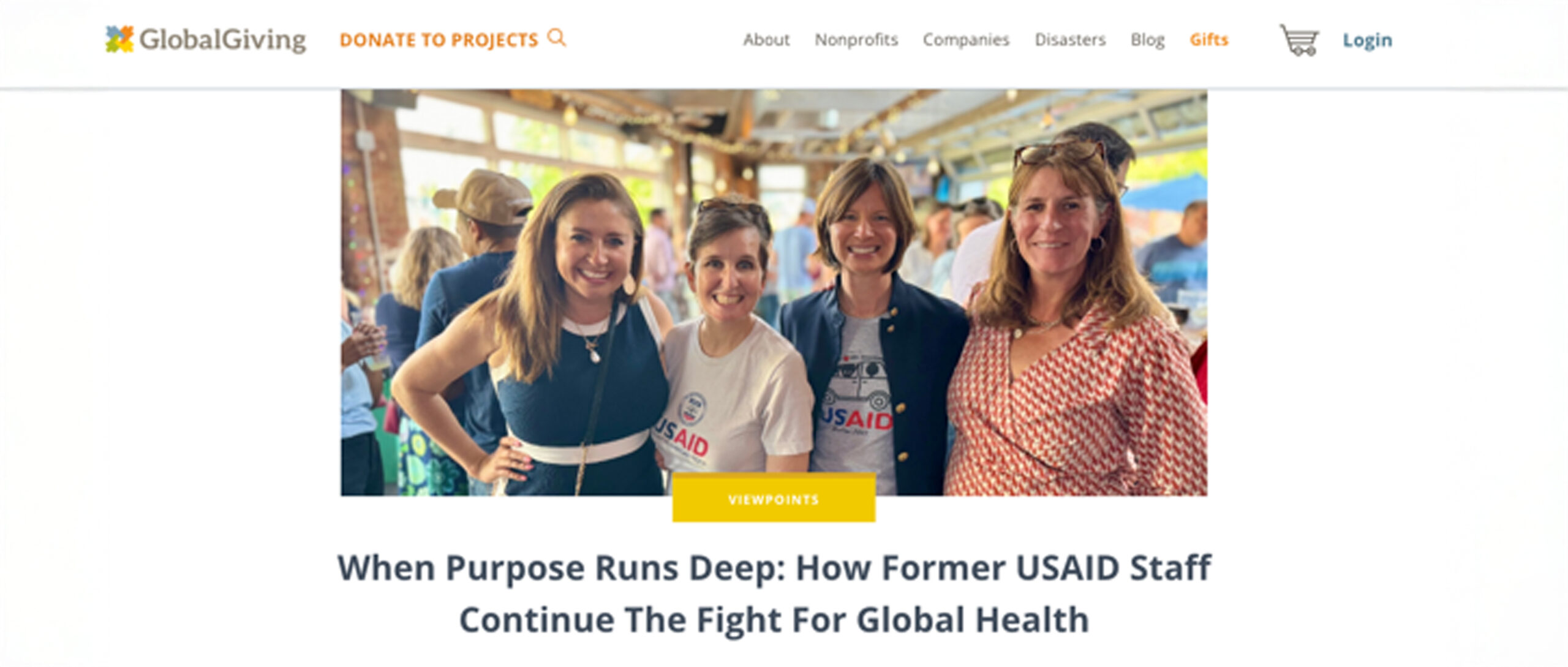
We saw this in action at GlobalGiving during the Crisis in Care campaign, when a determined crew of furloughed USAID employees launched a fundraiser for aid projects that had been cancelled. Their collective effort is raising tens of thousands of dollars for communities on the frontlines of global health, showing how quickly generosity can move when systems are in place to carry it.
Individual giving offers a host of benefits for donors, too. Beyond the roles of recipient and donor, philanthropy meets a deeper human need: the ability to act in a world and during times that often feel overwhelming. Giving is a way to reclaim agency — to take what you have and give where you can, to do something meaningful in the midst of troubling times.
In times when so many people feel disconnected — from their neighbors, their institutions, even from hope itself, acts of generosity can bridge divides. They fight against the fragmentation and polarization that is tearing us apart. They are a small way of saying we still belong to each other.
At its heart, individual giving strengthens the connective tissue of society; it links people to one another and to their visions for the world. Studies back this up, with acts of generosity being linked not only to volunteering and civic engagement — like voting and joining community projects — but also to fostering a deeper sense of belonging and purpose.
In this way, generosity is more than a gift to others — it’s a balm to the deep and dangerous rifts we’re facing.
And as it turns out, that healing works in both directions. People who regularly give report greater happiness and lower stress. Studies show giving can lift your mood, ease stress, and release endorphins. I believe this happens partly because when we strengthen the bonds that tie us together, we feel stronger, too.
This all sounds so great, so what’s the big challenge in individual giving of 2026? Individual generosity can only reach as far as the infrastructure beneath it.
When donors struggle to find trusted local organizations, when cross-border regulations block funds, or when there’s no clear data about the nonprofit ecosystem in a place where someone wants to give, good intentions get trapped.
Looking Ahead To 2026
The next wave of individual giving can’t just be about increasing generosity along past paths. It has to be about a larger and more diverse community of donors accessing more pathways through which their generosity flows. The future of giving depends on our ability to unleash those good intentions — to remove the barriers that keep generosity from reaching the people and places where it can have the greatest impact.
That means investing in the connective tissue of giving: digital platforms that make discovery and trust possible, policies that lower barriers to participation, data about NGOs and around the world, and global systems that illuminate the work of community leaders everywhere. It also means holding open new doors of giving.
This includes the potential of diaspora communities — people living outside their countries of birth who are eager to support initiatives back home. Keeping these giving lanes open across borders can dramatically expand the reach and impact of generosity.
It also means ensuring that organizations can meet the moment. Nonprofits need to have funding sources diversified and also strengthen the skills, practices, and systems to engage and sustain new donors. Shrinking government support has left many organizations vulnerable, and without resilient capacity, even the most generous intentions can’t reach their full potential. Digital platforms and social giving tools make it easier to reach broader and more diverse donor bases, while data and analytics help organizations understand and engage supporters more strategically.
At the same time, we need more research into donor behavior that can be translated into action. By drawing on behavioral science work from places like Ideas42, GivingTuesday reports, the Fundraising Effectiveness Project, and insights from the Women’s Philanthropy Institute, nonprofits can design strategies that truly engage donors and convert intentions into action. Evidence-based approaches also help organizations test, learn, and scale what works, making every gift more effective for the communities it serves.
We’ve already seen glimpses of a future where these philanthropic forces are thriving through efforts like GlobalGiving’s 23-year-old cross-border platform (we like to think we were ahead of our time), the increasing amount of sector data gathered and shared by groups like 350Giving, Candid and newcomers like the CSO Platform Epic Africa.
There are also exciting new policies in countries like Kenya that are expanding the infrastructure for small-scale diaspora giving.
None of these alone can fill the gap left by a shrinking public sector. But together, they can build a parallel infrastructure that offers resilience and connection to a world starving for solutions. But still, even with the data and the policies, the potential of individual generosity lies in its ability to actually reach where it’s needed most.
Platforms such as GlobalGiving, movements like Giving Tuesday, and communities like Grapevine, alongside many others, are ready and positioned to serve a connected, informed, and interdependent giving landscape of 2026 and beyond. With tools like Atlas — the world’s largest list of nonprofits — we’re helping people discover and support trusted local organizations in the areas of their search, from remote communities to major cities.
Because when generosity moves freely, easily, across borders and currencies to meet varied needs, we all benefit.
*****
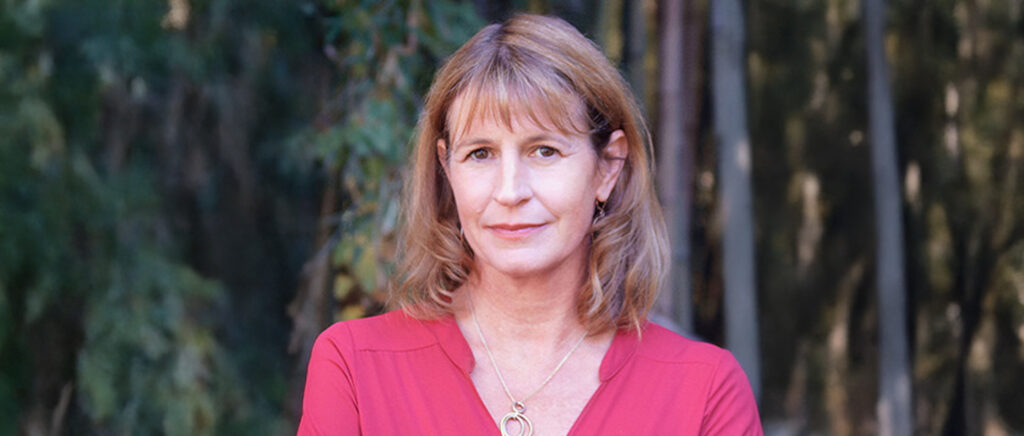
Victoria Vrana is chief executive officer of GlobalGiving.