By Kathleen DuBois
The nonprofit sector’s collective influence touches every aspect of American life, from professional associations and local food banks to cultural institutions and social services. However, despite billions in philanthropic dollars being disbursed, innovative technology at our fingertips and a workforce passionate about creating change, the sector is still not moving fast enough on society’s most pressing issues.
The problem isn’t a lack of resources, dedication or even funding. It’s the mindset.
Most have accepted a way of operating that prioritizes perceived stability instead of actual impact. Inefficiency has been normalized in the name of tradition. And most dangerously, the term “nonprofit” has been allowed to become an excuse for avoiding necessary innovation.
The Abundance Paradox
When markets decline, something counterintuitive happens: Philanthropic giving typically increases. The Giving Institute’s latest state of philanthropy report reveals that charitable giving in the U.S. reached $557 billion in 2023. Yet many nonprofits operate from a scarcity mindset, competing for resources rather than collaborating for impact.
Consider this reality: In many urban areas, multiple organizations provide identical services within blocks of each other, each struggling with staffing shortages and each competing for the same funding sources. This isn’t dedication to the cause.
It’s devotion to inefficiency.
What if, instead of three separate food banks struggling independently, they combined operations and shared resources? What if, rather than viewing other organizations as competition, we saw them as potential multipliers where one plus one could equal 10?
Organizations where managers embrace abundance thinking are discovering untapped opportunities. Take poverty-fighting clients in Washington, D.C. for an example. Through strategic partnerships with similar organizations, they’ve expanded their reach without expanding overhead. By sharing resources and coordinating service delivery, they’re serving more people more effectively than ever before.
Breaking Free From The Operating System
Managers at the most innovative organizations are already challenging traditional models, starting with the workweek itself. Several large nonprofits have successfully transitioned to four-day workweeks, reporting improved staff retention and increased productivity.
Other leaders are completely reimagining their operational structure. Instead of struggling to hire and retain specialized staff in a competitive market, they’re outsourcing entire departments — finance, human resources, IT — to expert partners. This shift challenges the long-held belief that everything must be done in-house to maintain mission integrity. One human services organization reduced its administrative overhead by 30% through strategic outsourcing, redirecting those savings directly to program delivery.
The technology revolution offers even more opportunities for transformation. When a case manager spends hours logging client notes instead of working directly with people in need, that’s not dedication, it’s a failure of imagination. Managers at forward-thinking organizations are using AI to handle these administrative tasks, cutting documentation time in half. AI-powered tools are being used to transcribe and summarize client interactions automatically, freeing up case managers to spend more time in the field where they’re needed most.
The Next Wave Of Social Impact
While yesterday’s operational challenges are being solved, emerging needs that could define 2025 and beyond are being missed.
The way impact is communicated needs similar reimagining. While nonprofits leaders wrestle with traditional marketing challenges, Generation Z is revolutionizing how messages spread and communities engage. They’re showing that effective communication isn’t about polished annual reports — it’s about authentic, direct engagement through channels staff might not even be considering yet.
This generational shift demands new approaches to community outreach. For example, countless Americans lack basic internet connectivity, the need is to radically rethink how to reach those who need the sector most. The most innovative organizational leaders understand that the community isn’t just invited to the table — the community is the table. This means meeting people where they are, whether through partnerships with local libraries, engagement through schools or creative use of existing community networks.
Shifting thinking extends to how success is measured. Instead of focusing solely on overhead ratios and traditional metrics, forward-thinking leaders are measuring their multiplication factor, how effectively they use partnerships, technology and community connections to expand their impact exponentially rather than incrementally.
In 2025, impact alone won’t be enough. Success will require more than just doing good work. It will demand doing it differently. The organizations that thrive won’t just be those with the strongest missions but rather those where staff are willing to challenge every assumption about how a nonprofit should operate.
Social impact won’t belong to the organizations with the biggest budgets or the longest histories. It will belong to those willing to embrace abundance over scarcity, multiplication over addition and innovation over tradition.
In 2025, nonprofit leaders should look to balance mission-driven impact with operational innovation. The successful transition will require both deep sector understanding and innovative approaches to talent, technology and funding.
*****
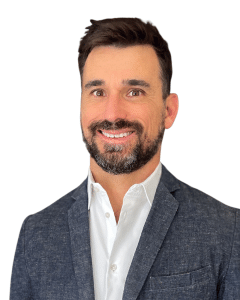
Kathleen DuBois is a partner and national industry leader for the nonprofit, government and education practice at WIPFLI,