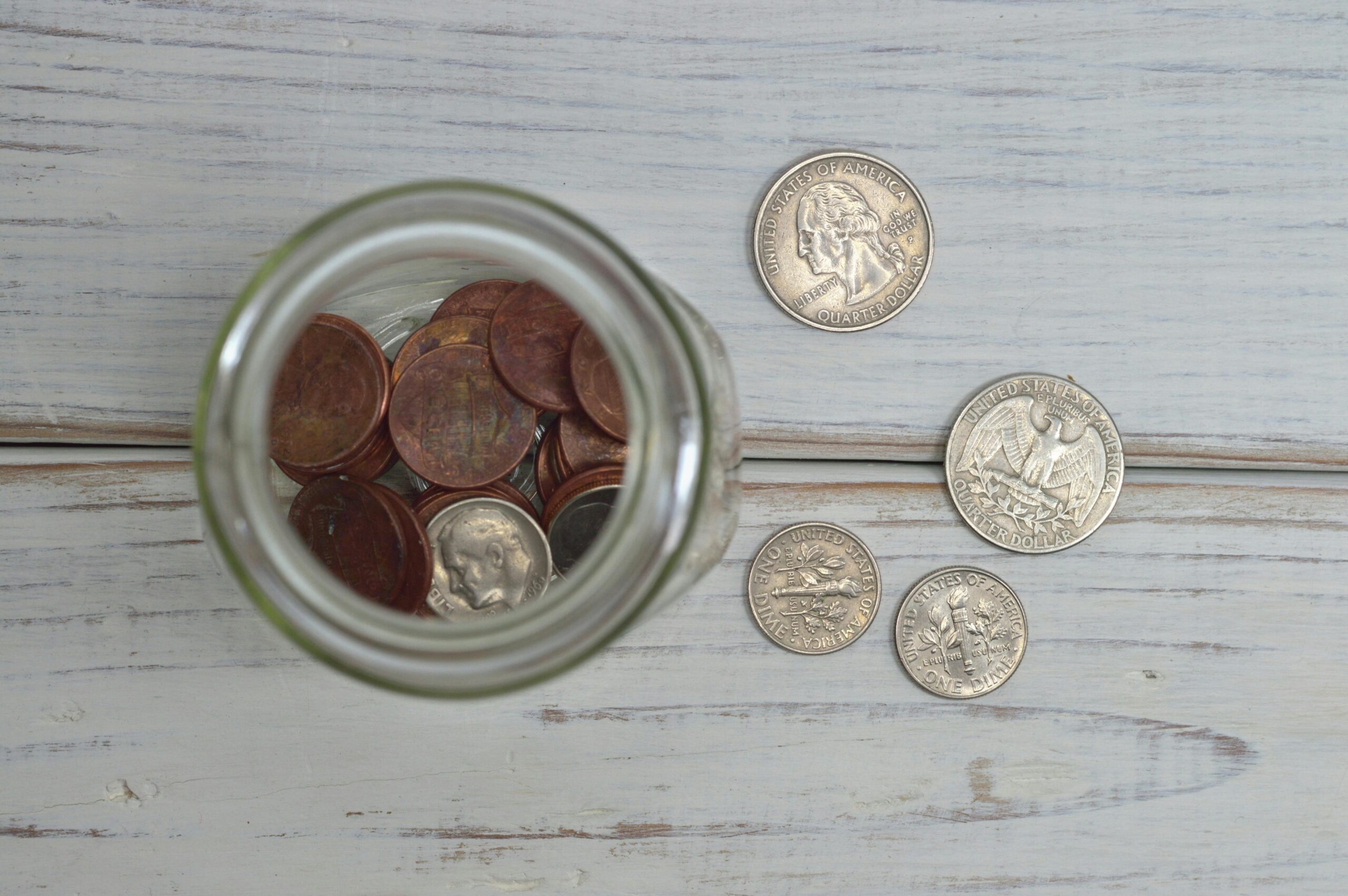
(Photo Courtesy of Pexels)
Editor’s Note: The following is the opinion of the writer and not necessarily that of The NonProfit Times.
By Dennis Fois
Tipping in nonprofit technology isn’t just misguided — it’s unethical.
In restaurants, tipping rewards service. In our sector it has become a disguise for a broken pricing model, peddled as “free.” There’s nothing free about it.
There’s been plenty of speculation about the intentions behind GoFundMe’s decision to create 1.4 million nonprofit donation forms without consent. The reality is simpler — and more troubling. The tipping model created the perfect incentive for this to happen. It turned what should have been a partnership-driven ecosystem into a profit-driven machine. Tipping made those pages an easy revenue generator. The math worked. The incentives lined up. Just not with nonprofits or donors — but with the platform’s bottom line.
Tipping can be considered an unethical pricing model, one that confuses donors, allowing tech companies to raise more money. It confuses donors by design, hiding monetization behind the language of goodwill. Donors believe they’re giving a little extra to the nonprofit they care about. In truth, they’re paying a for-profit platform to keep running this illusion. And make no mistake: that confusion isn’t an accident. It’s a conscious choice and business model, one that companies have learned to exploit.
The Real Cost of “Free”
More and more platforms are pushing donors to “tip” an extra 10% to 20% to cover technology fees. On paper, it looks like a win-win: the nonprofit keeps more of the donation, and the platform earns revenue. However, the real cost of “free” is paid in two ways, both of which are devastating to nonprofits.
First, you lose ownership of the giving experience. When a platform inserts itself into the most critical moment between a donor and a nonprofit, the nonprofit no longer controls that experience. That’s an unacceptable trade-off. You’ve spent months or years building relationships, only to hand over the emotional moment of giving to a company whose incentive is to introduce friction for its own financial gain.
Second, you trade off conversion for a very high transaction cost. Asking donors to cover additional fees can reduce donation completion rates by nearly 40%. (See data below). Add in a “tip” on top of standard processing fees, and the total cost to the donor often exceeds what any transparent flat-fee model would charge. That’s not efficiency. It’s leakage. Every abandoned donation is a missed opportunity to fund your mission.
A colleague recently shared her own experience. She tried to make a $1,000 donation to a cause she cared deeply about. When she reached the final screen, the platform required her to add a 17% tip before completing the donation. The tipping field was locked and couldn’t be changed. She had to reverse-engineer her donation to stay within her budget and almost gave up. That moment — one that should have felt effortless and meaningful — turned into irritation and doubt.
That’s the real cost of “free”: lower conversion, higher donor frustration, and the loss of ownership over the very experience nonprofits work so hard to create.
This loss of ownership doesn’t just play out emotionally. It has tangible consequences. When nonprofits don’t own their giving process, they lose visibility into who their donors are and how they give. GoFundMe enabled tipping on unclaimed donation forms, generating revenue from gifts while not providing donor data and performance metrics from the nonprofits those gifts were meant to support. That separation broke the connection between mission and generosity. GoFundMe eventually walked back those pages and made them opt-in only but the lesson is clear: when nonprofits surrender control of the giving process, they also surrender the insight and relationships that sustain their mission.
Friction Destroys Generosity
An NextAfter control trial found that asking donors to cover additional fees at checkout reduced donation completion rates by nearly 40%. While that test specifically measured donor-covered fees, the takeaway is clear: the more friction you introduce in the giving process, the more gifts you lose.
Behavioral research reinforces this point. Studies from the Stanford Social Innovation Review and the NextAfter Institute show that when donors encounter unexpected or hard-to-avoid fees — especially those framed as “tips” or “optional add-ons”– they experience a sense of manipulation and loss of control. That single moment of doubt breaks emotional momentum.
In other words, tipping doesn’t just undermine a single transaction, it might damage the long-term relationship between donor and nonprofit. The giving moment — one that should feel meaningful and human — becomes transactional and uncertain. And once that trust is broken, it’s not easily repaired. Every ounce of friction is a leak in the generosity funnel.
Tipping is An Incentive Problem
Tipping doesn’t just confuse donors. It distorts the entire business incentive for technology companies. When revenue depends on donor “tips,” the company’s success is no longer tied to the nonprofit’s success. The platform stops innovating to serve its customers and starts optimizing to extract more from its donors.
That’s the danger of this pricing model. It rewards friction instead of removing it. Instead of helping nonprofits deepen relationships, company leaders push their teams to design more prompts, more “optional” asks, and generate more page visits. Growth becomes about maximizing tip revenue rather than maximizing impact. In the process, the nonprofit’s goals of trust, transparency, donor loyalty fall into the background.
This misalignment is what makes tipping so dangerous. It replaces partnership with exploitation. The GoFundMe controversy is a case study in how that incentive plays out at scale. When the giving moment becomes a monetization moment, everyone loses.
Build for Trust
The nonprofit world deserves better. It deserves technology partners that build for trust and that means keeping nonprofits in control of their giving experience.
The moment someone decides to give should never include hidden fees, locked prompts, or guilt-driven upsells. It should reflect clarity, respect, and integrity. Every organization should want to own the giving moment and the data that flows from it. That moment is sacred. It’s the culmination of every story told, every event held, every relationship built. Handing it over to a third-party platform whose business depends on introducing friction is an unacceptable compromise.
Let’s stop normalizing tipping in nonprofit tech. Let’s stop asking donors to subsidize platforms under the guise of “free” tools. And let’s start demanding business models that reflect the same values we expect from the nonprofits we serve.
Once opacity becomes acceptable, trust starts to erode — and that’s the real cost of tipping.
*****
Dennis Fois is chief executive officer of fundraising platform Bloomerang.