(image from pexels.com)
Short-form video is no longer nice-to-have in nonprofit communications. It increasingly is a must-have.
Instagram Reels. YouTube Shorts. TikTok videos. Facebook short clips. These rapidly consumable vertical videos have changed how people engage with content online, including our donors.
Across platforms, audiences are watching video and responding to it. Short-form video has the potential to do what long emails and even static graphics cannot: build trust quickly, show impact visually, and inspire actions right where supporters are scrolling, expert Julia Campbell told the audience during her AFP ICON session “Mastering Short-Form Video to Inspire Donors and Drive Fundraising Results.”
AFP ICON is the annual international conference of the Association of Fundraising Professionals happening this week in San Diego, California.
Despite the opportunity, many fundraisers feel daunted, she told the audience. These are familiar refrains that miss the mark.
* “We don’t have time for video.”
* “We don’t have a videographer.”
* “I’m not creative enough.”
Short-form video isn’t about production value. It’s about clarity of story, consistency of message, and authentic human connection. You don’t need Hollywood-level equipment. You need heart and you need a unique perspective (which you have, from your hands-on work in the trenches). Let’s start with understanding why short-form video works for fundraising, according to Campbell.
Nonprofits must contend with declining organic reach and rising competition for attention. Engagement rates hover in modest zones across social media: on Instagram, nonprofits average roughly 0.6% engagement per post and reach about 15% of their followers organically — more than many platforms but still limited.
Meanwhile, short-form video, which is defined generally as clips under 60 and 90 seconds, dramatically outperforms longer content on engagement. Research across multiple industries shows that short-form video generates about 2.5 times more engagement than long-form video.
That means short clips are more likely to be watched, shared, and interacted with, which are all signals that social media platforms reward with broader distribution.
In short: Short-form video gives your nonprofit a better chance at being seen.Why? Because visual content, especially video, enables donors to see real people and real impact. It turns abstract missions into something tangible — a student’s smile, a volunteer’s hands lifting supplies, a staff member in a quiet moment of gratitude. Donors respond to feeling connected, Campbell told the session participants.
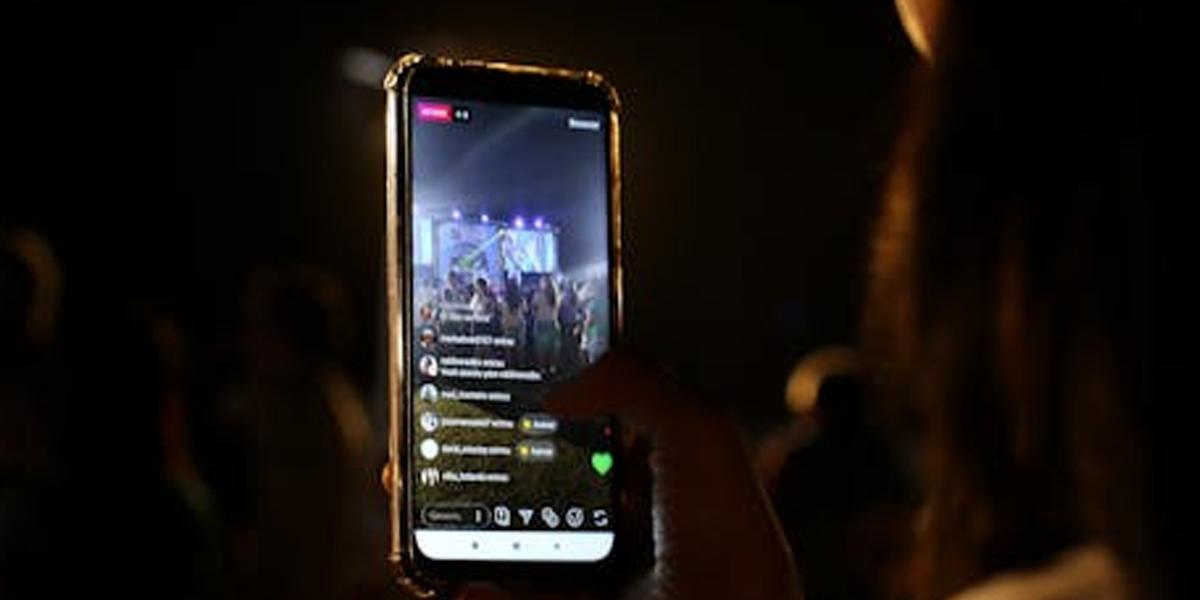
One of the biggest misunderstandings about video is that it requires professional cameras, lights, and hours of editing. It doesn’t.
You have what you need already: a smartphone, natural light, and a story worth telling.
Short-form videos thrive on authenticity, not polish. This is good news for small and mid-sized nonprofits with limited resources. In fact, audiences often prefer real over highly produced. It feels human, not commercial.
The goal isn’t a documentary. It’s clarity and connection. If you wonder what content will move the needle, focus on these four categories:
- Impact In Action. Here’s an example from Rosie’s Place in Boston: https://www.instagram.com/reel/DS7ihAuj_T4/
- Donor & Participant Voices: Let people say why giving matters.
Short testimonials, just 10 to 20 seconds, from program participants, volunteers, board members, or donors themselves can be persuasive. Authentic voices are powerful because they communicate what your work feels like, not just what it does.
Here’s an example from Susan G. Komen: https://www.instagram.com/reel/DT1ery-juS3/
- Behind-the-Scenes Transparency
Donors are curious. They want to know how decisions are made, what a day in your office looks like, how a campaign is progressing. Giving them a peek behind the curtain (ideally a real, unfiltered glimpse) builds trust.
Here’s an example from the Boston Public Library: https://www.instagram.com/reel/DOYkMNUDp1i/
- Educational Content on the Cause
Short-form video is a powerful progress engine for advocacy and education. Post impactful statements about why you do this work.
Here’s an example from No Kid Hungry: https://www.instagram.com/reel/DU9Y8hojltf/