During a worldwide pandemic, it would seem that the last thing any fundraiser needs is complexity when it comes to giving. It’s tough enough as it is right now with record unemployment.
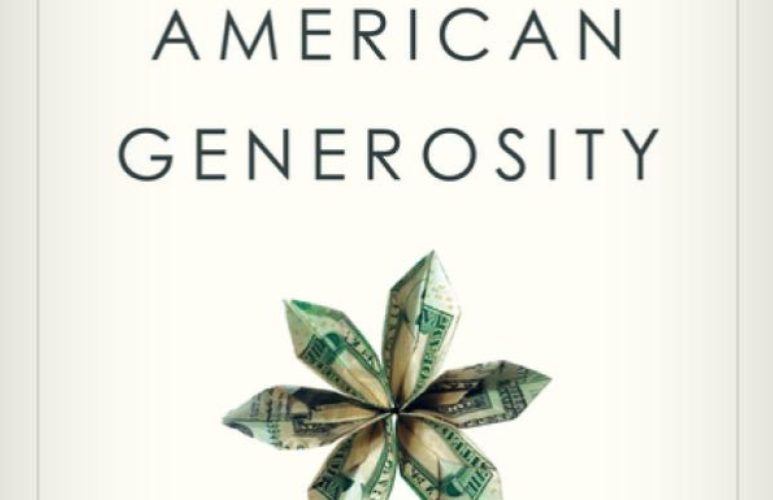
However, in their book “American Generosity,” Patricia Snell Herzog and Heather E. Price discuss the various complexities that lead to donors engaging in higher giving, or not. They propose a variety of “recipes” of webs of affiliations people have, but they highlight seven affiliations that have a place. They are:
- Role of generous personal identity. Group affiliations cannot grease the wheels of generosity unless someone first considers generosity to the person’s identity.
- Role of parental influence. Parental influence is an ingredient in almost all recipes.
- Role of spousal alignment. A generous spouse can cause a less than generous one to give more.
- Role of friend support. Affiliating with a group of close friends who are supportive of generosity is a key part of the pathways to greater giving.
- Role of religious calls. These are key for most greater giving amounts.
- Role of local community context. The role that one’s community is generous plays a key role in most recipes.
- Role of national context. This context is relevant, although not as relevant as the perception of the local community context.
The authors focus on three primary forms of giving: donating money, volunteering time, and taking political action. Also explored are participation in giving blood, bodily organs, material possessions, relational attention, and participating in environmental sustainability. All findings are based on data from the Science of Generosity Initiative, combining a nationally representative survey of adult Americans with in-depth interviews and ethnographies of a subsample of survey respondents, according to the authors.