(image from pexels.com)
By Virginia Archer-Peak
As burnout awareness has increased across the nonprofit sector, many of us have been reevaluating our chronically stressful work lives. Ironically for us “burn the candle at both ends” types, research shows that the most effective professionals are those who have developed the healthy ability to rest.
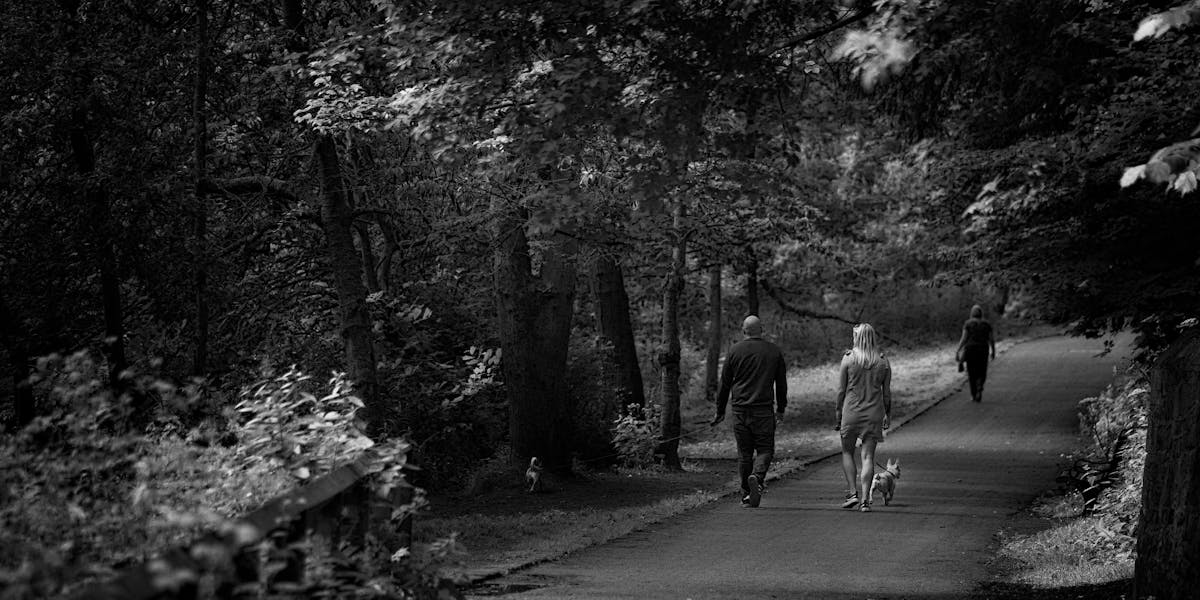
Rest in the context of burnout prevention is about getting not only physical rest in the form of sleep, but also active rest when awake, or what the authors of Burnout: The Secret to Unlocking the Stress Cycle describe as our ability to give the mind a break by shifting gears to different tasks. One way to implement this strategy in your day is to periodically take mental breaks in your work. This could look like writing for an hour and then switching to a more visual or relational task while the writing part of your brain gets a breather. It could also look like taking a 15-minute walk outside or making a cup of tea.
Mental breaks during the day are important, but the mother of all rest needs is, of course, sleep. This biological function makes up a whopping third of our lives. Despite our lofty, college-born career goals or what our snaggle-toothed toddlers require of us in the midnight hours, each of us needs an average of 8 hours of sleep. It may be hard for some of us to accept this hard limit on our lifestyles, but science shows that adequate sleep codes for more than just our energy levels. One round-up of the research found that inadequate sleep caused ineffective decision-making and poor communication in study participants.
Another study found that sleep deprivation negatively impacted team decision-making and problem-solving. While it may not come as a surprise to readers that lack of sleep can interfere with our professional effectiveness, we may still be tempted to over work, especially if we see colleagues sending off late-night emails or if, inevitably, a grant deadline is fast-approaching. But the research is clear: not only does lack of sleep interfere with our professional success, but it can also set us up for mental health challenges in the long run. One study found that sleep disturbance was highly correlated with depression. According to its findings, a non-depressed person struggling with insomniac tendencies has a twofold risk of developing depression.
Physical rest isn’t just about getting enough sleep. According to Psychology Today, active physical rest could also look like gentle modalities like stretching, yoga and walking in nature. We all find different activities rejuvenating, but the important thing is to find what works best for you and make time for it.
The life-saving work happening across the nonprofit sector is too critical for us to risk burnout. It’s time for our sector leaders to start saying this often and loudly: Real leaders give themselves rest. Not because they lack commitment, but precisely because they care about their missions and their ability to sustainably do good work in this world.
*****
Virginia Archer-Peak is founder of Spoonbill Strategies, a communications and fundraising consultancy in Portland, Oregon. The email is support@spoonbillstrategies.com