(image from pexels.com)
By Patrina Pelton-Smith, JD, GPC
Marginalized nonprofits are often under resourced organizations located in underserved communities. The founders frequently launch these organizations from the desire to address their community’s needs. Many times, grant professionals hear, “I just want to help,” and they do, from the trunk of their car or kitchen table. They often use word of mouth or “Google” the best way to find grants, fundraise, and manage their non-profit. Without practical information, knowledge, and experience, these organizations lack the infrastructure to be grant ready.
Many grant professionals are hesitant to work with these organizations due to their age or lack of foundation. Understandably so, without infrastructure, experience, and data, funders’ eligibility criteria often make it difficult for these non-profits to successfully compete for grants — and we want all our applications to be awarded.
Some of these organizations are self-funding their programs, so they lack adequate revenue to pay for consulting services. This creates a frustrating cycle where non-profits most in need of funding are the least likely to receive it. Yet, they are often the ones providing essential boots-on-the-ground services to communities that would not seek assistance from larger non-profit organizations. They offer culturally competent, community-driven solutions that are both accessible and trustworthy. Yet, their inability to access sufficient funding prevents them from scaling or amplifying their reach.
There are ways to build their organizational capacity. Courses that address fundamental topics, such as correctly launching a nonprofit and its compliance, to board recruiting and management, budgeting and accounting, and strategic planning are helpful. This could be launched through a collaboration of grant professionals with a hands-on approach that allows the participant to immediately put into practice the information and knowledge shared, equipping them to build funding pipelines without relying solely on external grant professionals.
With the rise of artificial intelligence and increasing economic wariness that is driving down business sales and services, this might also be an option to increase revenue streams for grant professionals.
Investing in nonprofits and their grant readiness is more than just securing funds and building our businesses. It is about creating sustainability and resilience within organizations and the communities they serve — places in which we often live. When most nonprofits can confidently apply for and manage grants, expanding their ability to serve their communities and address systemic issues within them, we all win.
*****
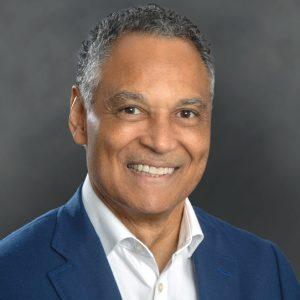
Patrina Pelton-Smith, JD, GPC is the principal consultant and CEO of The Business of Charity, LLC, in Houston. Her website at www.businessofcharity.com.