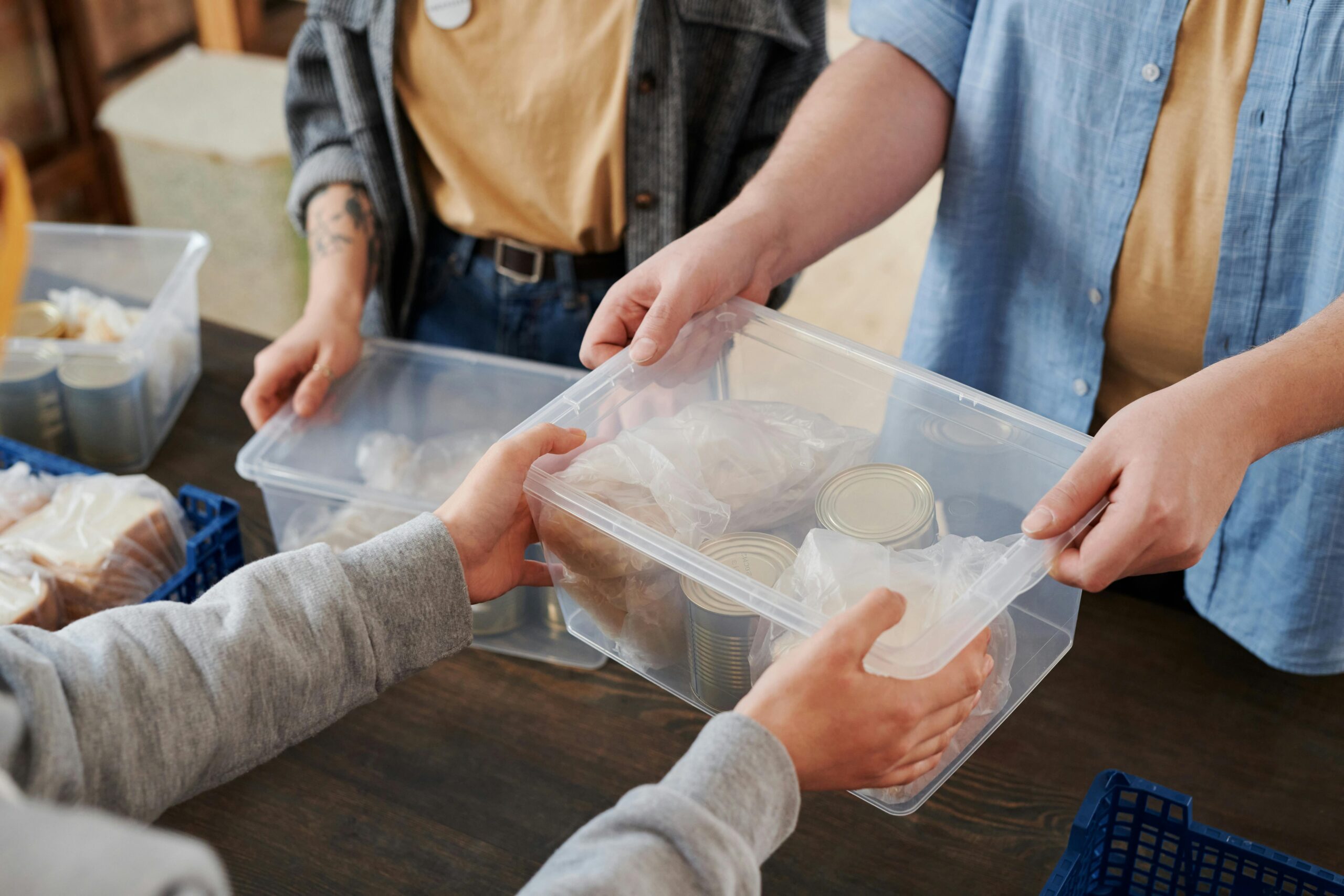
(Photo By Julia M. Cameron via Pexels)
By Sarah Veader
Local nonprofits that operate food aid programs are seeing the need in their communities grow exponentially as the government shutdown continues. Delays in funding Supplemental Nutrition Assistance Program (SNAP) benefits, which feed about 42 million Americans, are driving more people to seek help from local food programs which serve as a safety net for families and communities in need. Additionally, many government workers have been affected by the shutdown, which has put them in a position of need, particularly in the Washington, D.C. and Northern Virginia region.
As of Wednesday, Nov. 5, there’s speculation as to whether the White House could use contingency funds to pay half of the normal SNAP benefits this month, or wait until the shutdown resolves. The ongoing uncertainty has caused confusion and short-term surges, most recently seen over the weekend.
When the shutdown eventually resolves, food pantries will face their busiest season of the year, with holiday demand and economic uncertainty straining already limited resources — leading to an influx of volunteers, donations and overall transactions. And while that’s a testament to the generosity and resilience of communities, it also means organizations are facing increased and sometimes unexpected risks.
If your organization provides food to those in need, don’t forget about the safety of your staff and volunteers, and the people you serve, during this critical time.
Crowded Spaces And Fast-Paced Operations
Food aid operations are busy places, with a constant inflow and outflow of donations and guests. Now add more volunteers, more guests and more donations all packed into that same footprint. That kind of congestion can lead to accidents or injuries if good housekeeping isn’t maintained, and the operation isn’t managed carefully.
Slips, trips and falls are among the most common type of injury insurance claims. Even as things get more hectic in your facility, be sure to stay on top of safety practices such as:
- Good general housekeeping;
- Managing cords;
- Adhering to accessibility guidelines and emergency exits;
- Requiring appropriate footwear; and,
- Promptly cleaning up spills.
These basics can help prevent common injuries and keep your space safe for everyone.
Food Safety: Perishables, Repackaging, Cross-Contamination
Another shift is the increase in perishable food donations. That’s great news for nutrition, but it also introduces new risks. Good management practices and food safety principles must be maintained.
Create a written food safety plan and post reminders in your kitchen. It’s a simple way to reinforce best practices and protect both your guests and your reputation. A food safety plan should include topics such as the following:
- First in/first out procedures;
- Temperature control and monitoring;
- Personal hygiene;
- Sanitation; and,
- Pest control.
Simple actions can make all the difference, such as walking new volunteers through safety basics or checking that food is stored correctly.
Volunteers: A Helping Hand That Requires Preparation
The increase in volunteerism is one of the most inspiring parts of this moment. People want to help, but with new faces come new challenges.
Temporary or first-time volunteers might not be familiar with your space, your procedures or the physical demands of the work. That’s why quick, effective training is essential. Consider assigning experienced volunteers as “buddies” to newcomers. That peer-to-peer support can help prevent accidents and build a stronger, more confident team.
Additionally, a volunteer waiver that has been reviewed by an attorney ensures everyone is aware of and accepts the potential risks associated with the work. Volunteers should also be supervised if they are interacting with guests and have not had a full background check and screening.
Cybersecurity: Protecting Donor Data In A Time Of Generosity
Here’s a risk that’s easy to overlook: cybersecurity. As donations surge, especially online, food pantries become attractive targets for fraud and impersonation attempts.
Cybercriminals often use phishing emails, malware and social engineering to exploit nonprofits. At Church Mutual, we recommend several best practices:
- Employee training to recognize phishing attempts;
- Strong password policies and multi-factor authentication;
- Regular security audits and software updates;
- Data encryption for donor information; and,
- Incident response plans to handle breaches effectively.
Even small organizations can take these steps. And for added peace of mind, consider cybersecurity insurance. It can help cover legal fees, data recovery and business continuity support if an incident occurs.
Safety Is Critical For All Organizations
Safety isn’t just a checklist, it’s a way to protect your mission. When people feel safe, they can serve more effectively. When food is handled properly, it’s available to those who need it most. And when donor data is secure, trust is preserved.
Small moments of safety, such as checking storage temperatures or reviewing volunteer protocols, can have a big impact. They help ensure your organization can continue to meet rising demand without compromising the well-being of your team or the people you serve.
Final Thoughts
This season, food pantries are doing heroic work amid historic challenges. You’re feeding families, building community and offering hope. With the increase in need for food aid, it’s never been more important to find ways to ramp up to meet community needs. But doing so safely and effectively is imperative to ensure you can fulfill your mission and help others.
Take a moment to review your practices. Talk to your team. Ask what’s working and what could or should be improved. When safety is part of the plan, your organization becomes even stronger.
*****
Sarah Veader is assistant vice president, risk control, at Church Mutual Insurance Company.