It appears donors and fundraisers have different ideas when it comes to events. For example, most fundraisers love to throw galas, but donors are not thrilled about attending them.
Sporting events and concerts top the lists of what donors have attended and are most interested in, although they flip positions on the lists – 42% have attended a sporting event during the past 12 months but 56% of donors polled are more interested in a concert. And, 40% of responding donors have attended a concert while 46% are more interested in a sporting event.
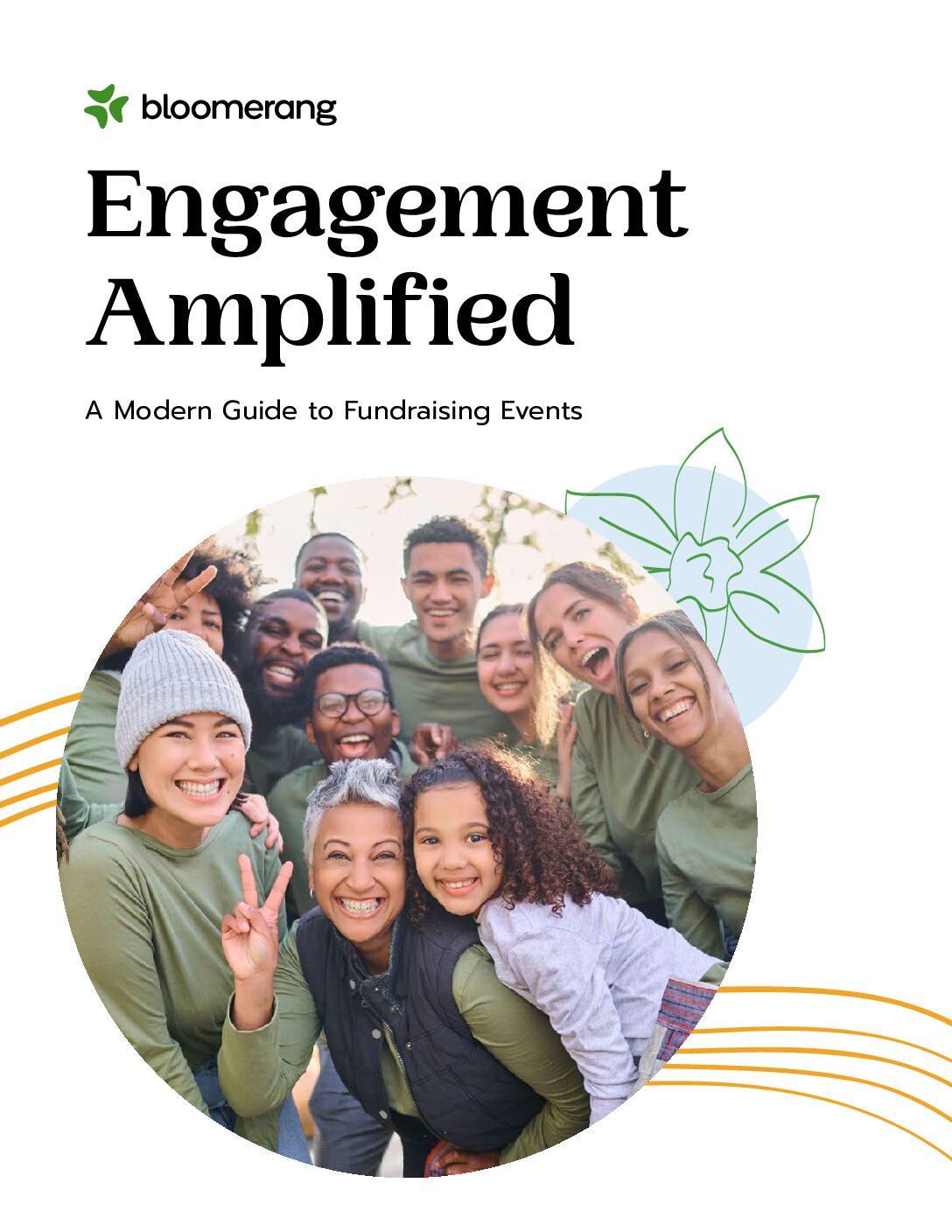
That disconnect isn’t a failure. It’s an opportunity, according to authors of a new report from fundraising platform Bloomerang titled Engagement Amplified: A Modern Guide to Fundraising Events. “When you design events with your supporters in mind, events become more than moments. They become momentum,” according to the authors.
Bloomerang’s researchers asked more than 250 fundraisers and 1,000 donors what they participated in and what they prefer. The researchers developed a three-step engagement arc from the data that includes designing the right moment, inviting meaningful participation, and then extending the relationship.
Phonathons finished dead last for both interest and participation.
Donors didn’t pick the program, the speech, or the fundraising pitch as the most engaging parts of an event. Raffles and games get 63% of them more involved and 70% saying entertainment would make an event more engaging. As important as it is for organizational leaders to get stage time, just 28% of donors found live appeals to be engaging.
The data shows that 58% of donors polled said that a unique event experience motives them to attend; 54% responded that it is a sense of community; 51% said it is a connection to mission; and, 46% to simply socialize. Dead last at 26% is a company’s sponsorship/support.
“Nonprofits can no longer afford to think in terms of ‘event season.’ Fundraising needs to be always-on, with events playing a strategic role in nurturing donor relationships year-round. Financial pressures, reduced federal funding, and staffing challenges demand a smarter approach,” said Dennis Fois, chief executive officer at Bloomerang.
Some donors might think why run when you can eat? A fed donor appears to be a happy one. The data shows that 35% of donors attended a breakfast and 40% are most interested in a breakfast or lunch event. Those preferring running were at 32%.
Golf is often thought of as a major event but just 15% of donors polled had attended one during the previous 12 months.
Other key points in the data include:
* Donors prefer text more than fundraisers think: Fundraisers rank text messaging as the sixth most effective way to promote events, while donors rank it as their third most preferred method.
* Staffing is a major planning hurdle: Limited staffing is the top challenge for event planning (68%).
* Feedback collection is underused: Only 50% of fundraisers collect feedback from event attendees.
Post-event engagement is often overlooked, with 58% of fundraisers polled not implementing any post-event engagement strategies. “Effective attendee engagement doesn’t end when the event is over,” said Ann Fellman, chief marketing officer at Bloomerang. “Our findings make it clear that post-event follow-up is one of the most underutilized yet most important strategies available to fundraisers. Whether it’s a thank-you message, an invitation to volunteer, or an update on the event’s impact, these moments of continued connection are essential to turn one-time attendees into committed supporters,” she said.
The engagement arc isn’t just beneficial, it’s essential, according to Fellman. “This framework helps fundraisers design event experiences that intentionally build lasting connections, moving supporters from initial curiosity to deep, sustained involvement. By focusing on the entire arc of engagement — before, during, and crucially, after the event — fundraisers and organizations can foster ongoing support that translates directly into sustainable revenue for their vital work,” she said.
The data is relatively fresh. Bloomerang surveyed more than 250 fundraisers and 1,000 donors during March of this year to better understand what makes a fundraising event inspiring, actionable, and successful. To learn more and download the full report, click here.